


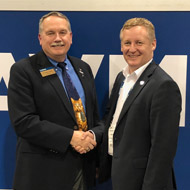
RCVS and AVMA team up to address veterinary mental health issues
The RCVS has teamed up with the American Veterinary Medical Association (AVMA) to promote positive mental health and wellbeing across the veterinary profession.
The partnership will see the organisations collaborate on projects to advocate positive behaviour and support around mental health. They will also work on developing an evidence base and share best practice around interventions.
In a joint statement, the organisations said: “We believe that for veterinary professionals to realise their full potential and the global veterinary profession to remain sustainable, maintaining high levels of mental health and wellbeing for all members of the veterinary team is a priority.
“Improving veterinary mental health and wellbeing has a positive impact on individuals, the profession at large and, ultimately, animal health and welfare, and public health.”
The collaboration builds on the RCVS Mind Matters Initiative and AVMA’s Wellbeing and Peer Assistance initiative.
Professor Stuart Reid, chair of the RCVS Mind Matters Initiative said: “Regardless of where we live and work, as members of the veterinary profession we have many issues in common.
“The RCVS and AVMA have been discussing how we might best share ideas, resources and best practice for some time and I was delighted to meet with the senior officers of the AVMA at their recent convention in Denver.
“I firmly believe that in collaborating with the AVMA we will be able to address more effectively the pressing issues around mental health, and reinforce the many positives of working in such a wonderful profession.”
AVMA president Dr John de Jong said: “As two highly respected veterinary organisations in the increasingly global veterinary community, it is both logical and important that the AVMA and RCVS stand together speaking to the topic of mental health and wellbeing that affects people in our profession as much or more than among the general public.”
The full joint statement between the AVMA and the RCVS can be found on the RCVS website.
Image (C) RCVS.


 Companies marketing medicines for small pets exempt from authorisation must submit their annual return to the Veterinary Medicines Directorate (VMD) by 30 November 2026.



