


Animal health and welfare to be recognised as public goods
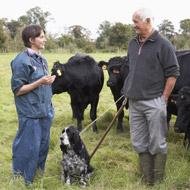
“This Bill should be good for animals, good for farmers and good for consumers" - David Bowles, RSPCA.
A new Agriculture Bill that recognises animal health and welfare as public goods has been announced by Defra.
Introduced into Parliament on Wednesday (12 September), the Bill sets out policy to replace the current subsidy system of direct payments to farmers.
Defra has proposed that the definition of higher animal welfare within the new public goods framework and the leadership role for animal health and welfare will be agreed by 2020.
BVA President John Fishwick said: "We are very pleased to see the move from direct payments linked to land area to public money being used for public goods. For some time we have been calling for animal health and animal welfare to be recognised as public goods to help guarantee that standards in this area are maintained or improved post Brexit and it is reassuring to hear that they will be supported with public money in agricultural policy.
“Vets play a crucial role in UK agriculture, from the farm-gate through to trade certification and border checks, so it’s vital that the Government use veterinary expertise to best effect in the delivery of this new Agriculture Bill. Vets must be involved in defining what is meant by higher animal welfare for the new system and there is an absolute need for veterinary involvement in designing interventions to improve animal health and welfare.”
“If we are to maintain our global reputation for high standards of animal health and welfare, and improve our trade links with the rest of the world, as Mr Gove promises, any future investment in the UK farming industry must be targeted at measures to maintain and enhance standards of animal health and welfare.”
RSPCA head of public affairs David Bowles adds: “This Bill should be good for animals, good for farmers and good for consumers.
“We’re heartened that recognition of animal welfare as a public good and financial support for higher animal welfare standards are in the new Bill. These two elements are fundamental to improving animal welfare standards. The government’s commitment not to lower animal welfare standards in any trade deals is also very welcome.
“The RSPCA is looking forward to working with Defra on developing higher animal welfare projects. But success will depend on the level and ongoing consistency of funding. We’re calling on the government to ensure that financial support to develop higher welfare schemes is available and if needed ring fenced.
“We also welcome the news that agricultural payments will no longer be based on food production.”


 Companies marketing medicines for small pets exempt from authorisation must submit their annual return to the Veterinary Medicines Directorate (VMD) by 30 November 2026.



