


Mountain hare numbers in serious decline, study finds
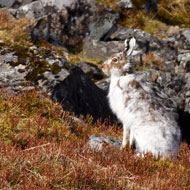
Mountain hare populations on moorland sites fell by nearly five per cent every year, from 1954 to 1999.
A new study shows mountain hare populations have plummeted on moorlands in parts of the eastern Highlands in Scotland - falling to less than one per cent of their levels in the 1950s.
Scientists analysed seven decades of data from mountain hare counts, which were carried out on moorland managed for red grouse shooting, as well as the neighbouring mountain land.
According to findings published in the Journal of Applied Ecology, mountain hare populations on moorland sites fell by nearly five per cent every year, from 1954 to 1999.
However, from 1999 to 2017, these declines increased dramatically to more than 30 per cent every year. Counts in 2017 were less than one per cent of the levels in 1954.
The main use of land on these sites was intensive grouse moor management. Hare culling as a form of disease control, ostensibly to benefit red grouse, has become part of the management of many estates since the 90s, researchers said.
On higher alpine sites, mountain hare numbers have fluctuated greatly, but overall increased until 2007, then declined, but not to the unprecedented lows seen on moorland sites.
Lead author Dr Adam Watson, a fellow of the Centre for Ecology & Hydrology, commented: “Having counted mountain hares across the moors and high tops of the eastern Highlands since 1943, I find the decline in numbers of these beautiful animals both compelling and of great concern.”


 Companies marketing medicines for small pets exempt from authorisation must submit their annual return to the Veterinary Medicines Directorate (VMD) by 30 November 2026.



