


Study identifies nerve pain in stump up to four months after procedure
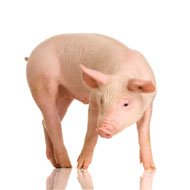
Tail docking may be a cause of long-term pain in pigs, a new study has concluded.
Presenting findings at the UFAW Animal Welfare Conference in Newcastle, Dr Dale Sandercock from Scotland’s Rural College (SRUC), said: “Tail amputation causes acute and sustained changes in peripheral somatosensory nerve function involving inflammatory and neuropathic pain pathways which have implications for pig welfare.”
Tail docking is often used to control the problem of tail biting, an abnormal behaviour that is caused by stress, illness, poor air quality or competition for food and water. However, concerns about docking being a long-term cause of pain have existed for some time.
In a bid to reduce tail biting and docking in pigs, scientists from eight countries launched the research project FareWellDock. The aim of which is to yield new information about tail docking and stimulate development towards a total ban in the EU.
One of the teams involved in the project is SRUC’s Animal and Veterinary Science Research Group who, in this latest study, worked with researchers at Newcastle University.
In the study, researchers looked at the activity of genes in the nerves of the tail stump. They found that it was possible to detect changes in genes associated with pain signals four months after the procedure, even if it was carried out under anaesthetic
The FareWellDock project is being carried out in the UK, France, the Netherlands, Denmark, Sweden, Norway, Finland and the USA. Led by the University of Helsinki, it forms part of an initiative to increase cooperation of national research programmes on the health and welfare of farm animals.


 Companies marketing medicines for small pets exempt from authorisation must submit their annual return to the Veterinary Medicines Directorate (VMD) by 30 November 2026.



