


BVA puts the spotlight on brachycephalic cats
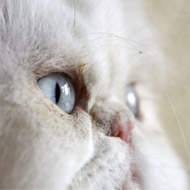
Pet owners are being urged to avoid choosing pedigree cats with extreme or unusual features.
On a day when cats are being celebrated the world over, the BVA and International Cat Care are putting the spotlight on some of the health and welfare problems faced by brachycephalic breeds.
Figures published to mark International Cat Day (8 August) show that 28 per cent of brachycephalic cats seen by vets have had or would benefit from having treatment for conformation-related health or welfare problems.
They also show that just a quarter of brachycephalic cat owners are mindful of the issues, and only one in 20 were aware of the additional costs associated with the breeds before choosing their pet.
A survey of companion animal vets last year found that the most common confirmation-related treatments carried out for Persians and exotic shorthairs were for:
• Eye problems - 69 per cent
• Respiratory problems - 60 per cent
• Dental issues - 45 per cent
• Skin problems - 32 per cent
BVA and International Cat Care are now calling on pet owners to avoid choosing pedigree cats with extreme or unusual features.
“Everyone knows that the internet loves cat photos and videos. But as time passes we’ve noticed a growing appetite for novelty creeping in - with quirky and unusual cat breeds proving increasingly popular on social media,” said BVA senior vice president Gudrun Ravetz.
“Currently the UK population of pure breed cats is very small as most cat owners opt for regular non-pedigree ‘moggies’. However, we are worried that the popularity on the internet of breeds with extreme conformation, such as the very flat-faced Persians and Exotic Shorthairs, or gene abnormalities such as cause the ears to bend forward in the Scottish Fold breed, may prompt increased demand among consumers who are unaware of the potential serious health and welfare issues associated with such breeding.”
She continued: “These figures show that many, many owners are choosing pets without understanding either the possible welfare implications of their extreme features or the potential cost of treating them.”
Claire Bessant, chief executive of International Cat Care added: “No owner wants to think that the cat which they love is suffering and that the person who bred and marketed the breed did not have its best welfare at heart. However, the reality is that, in the complex world of human needs and wants, the welfare of the cat is not always prioritised.
“We have the evidence for problems in these breeds and vets have ways to help owners to care for them. The important thing is to recognise the problems and not perpetuate them. People buying cats can make a difference if they are aware of the issues and vote with their buying power and for cat welfare.”


 Eligible members of BEVA will be able to vote for their Council team until Monday, 17 August 2026. Members will have received an election email on 17 July.



