


Pet owners warned of toxic algae
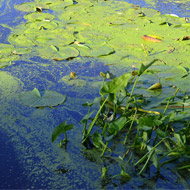
Two dogs have already died after ingesting the algae earlier this summer.
A long spell of hot weather in Scotland has led to an increase in potentially toxic algae in rivers and lochs.
According to BBC News, the warm weather has allowed blue-green algae to thrive, which can poison people and animals if they come into contact with the substance.
Two dogs have already died after ingesting the algae earlier this summer. People who swim in or swallow the algae can suffer from eye irritation, skin rashes, diarrhoea, fever and joint pain.
The public is now being urged not to touch or ingest anything they suspect may be a bloom or allow children or pets to come into contact with the water. They are also being encouraged to help scientists monitor blooms via an app so that appropriate action can be taken.
Professor Laurence Carvalho from the Centre for Ecology & Hydrology who helped devise the Bloomin’ Algae app said: “Algal blooms can be a major health hazard as they commonly produce potent toxins that can result in people experiencing skin rashes, eye irritations, fever, muscle pain and worse. They can also be a significant hazard to animals; dog owners and farmers need to ensure their pets or livestock do not drink from waters affected by blue-green algae.
"People can download the app from Android and Apple app stores and if they then come across an algal bloom, they can use the app to send us a photo and details of its location. We will then alert the UK environment and health agencies so they can take appropriate action.”
Blue-green algae cannot be seen by the human eye unless they cluster together. When this happens, the clusters float to the surface and form greenish bundles in lakes and steams.


 Eligible members of BEVA will be able to vote for their Council team until Monday, 17 August 2026. Members will have received an election email on 17 July.



