


Report exposes Europe’s 'thriving' domestic ivory trade
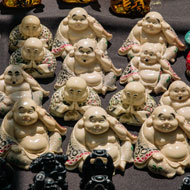
Avaaz is calling for urgent action to close the legal loophole for pre-1947 ivory. (Stock photo)
A new report from environmental group Avaaz is calling for urgent action to tackle Europe’s ‘thriving’ domestic trade in ivory, after high levels of illegal ivory were found in nearly every country tested.
The group bought 109 pieces of ivory from 10 countries across Europe, from both antique dealers and private sellers. The items were sent to Oxford University’s radiocarbon lab for testing.
According to the results, nearly 75 per cent were fake antiques being sold illegally. One in five (19 per cent) of the pieces came from elephants that were alive in the 1990s and 2000s, and were killed after the trade in new ivory became illegal. The most recent ivory tested in the study was dated after 2010.
Avaaz says these results show when the ivory grew on the elephant, not when the animal died, so these elephants could have been killed years or even decades before the dates shown in the report.
Under current EU law, worked ivory that was originally obtained before 1947 can be legally traded without restrictions. Ivory produced between 1947 and 1990 can be traded with a government-issued certificate, but there is a total ban on ivory that is newer that 1990.
Poaching to meet the demand for ivory is devastating elephant populations, with 55 being killed every day. On the African savannahs, elephant numbers fell by a third between 2007 and 2014, while in Central African forests, populations dropped 66 per cent between 2008 and 2016.
As the European Commission is currently reviewing EU ivory laws, Avaaz is calling for urgent action to close the legal loophole for pre-1947 ivory. The group argues that, owing to the difficulty in dating ivory without the use of sophisticated methods, the loophole is allowing illegal ivory to masquerade as antique.
Avaaz is also calling for ivory exports from Europe to be banned and for the EU’s internal trade in raw tusks to be shut down. The UK’s ivory ban was highlighted as an excellent model, as it outlaws almost all trade in ivory.


 Companies marketing medicines for small pets exempt from authorisation must submit their annual return to the Veterinary Medicines Directorate (VMD) by 30 November 2026.



