


Vets and MEPs discuss extreme breeding
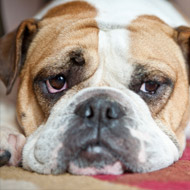
In the Netherlands there are breed-specific regulations, including a fitness test for breeds such as bulldogs.
Raising public awareness is key to tackling the issue of extreme breeding in animals, according to stakeholders at a meeting in Brussels.
The discussion in European Parliament brought together veterinary organisations, MEPs, animal charities and kennel clubs.
MEP Marlene Mizzi said: “The engineering of animals needs to be addressed before it becomes more disgraceful than it already is. Animals have rights and dignity and deserve our respect.”
Attendees discussed brachycephalic animals, but also genetic features such as folded ears, sloping backs and hairlessness. Some suggested finding ways to make these animals less ‘fashionable’ by promoting ‘normal’ dogs and educating the public on what a healthy dog should look like.
Other suggestions were developing breed-specific instructions for show judges, involving vets and veterinary organisations in setting healthy breed standards and opening up stud books to improve the gene pool.
Kristin Prestrud from the Norwegian Kennel Club said that, over time, many breeds have become more exaggerated: “Short legs have become shorter, heavy bodies heavier, long ears longer and so on. This is not how it was meant to be originally. Where is the limit for functional anatomy?”
In Nordic countries, breed-specific instructions are used to ensure show winners have a functional anatomy.
Meanwhile, the Dutch government has set up a multi-stakeholder programme. It involves educating breeders, judges, vets and behaviourists; animal health and welfare regulations for all pedigrees; breed-specific regulations, including a fitness test for breeds such as bulldogs.
Petra Sindern, from the German Veterinary Practitioners’ Association, said there is a campaign in her country to raise awareness among dog owners of ‘torture breeding’. This includes asking advertisers not to use dogs that are the result of extreme breeding. Official vets in Germany can also check breeders and sanction them if the animals are not healthy.
BVA’s senior vice-president Gudrun Ravetz said: “Any initiative we take should be meaningful, evidence-based, enforceable and enforced and, most importantly: people should know about it.”


 Eligible members of BEVA will be able to vote for their Council team until Monday, 17 August 2026. Members will have received an election email on 17 July.



