


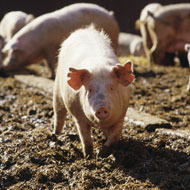
NPA says there could be major implications for pig health
An EU ban on the prophylactic use of antibiotics in groups of animals has been confirmed.
Under the revised EU Regulation on Veterinary Medicinal Products, which comes into force in 2021, veterinary surgeons will only be able to prescribe prophylactic antibiotics for administration to individual animals.
The regulation states: ‘Antimicrobial medicinal products shall not be used for prophylaxis unless, in exceptional cases for the administration to an individual animal or a restricted number of animals when the risk of an infection or of an infectious disease is very high and the consequences are likely to be severe.
‘In such cases the use of antibiotic medicinal products for prophylaxis shall be limited to the administration to individual animal only, under the conditions laid down in the first sentence.’
In a recent letter to the UK’s chief veterinary officer, the National Pig Association and Pig Veterinary Society raised serious concerns about the plans.
Whilst agreeing that prophylaxis should only be deployed in ‘exceptional cases’, the two organisations warned that limiting this to individual animals is ‘unnecessary and risks seriously impacting pig health’.
Georgina Crayford, NPA’s senior policy advisor, said the changes could have major implications for the way pig health is managed.
“The NPA is working with RUMA, PVS and others to fully understand how this piece of legislation will be interpreted and what the implications will be for disease management in pigs,” she explained.
“We fully agree, of course, that prophylaxis should not be deployed routinely and only in exceptional circumstances. But we see no logic in prohibiting its use in groups of pigs, when it is deemed necessary for pigs’ health.”


 Companies marketing medicines for small pets exempt from authorisation must submit their annual return to the Veterinary Medicines Directorate (VMD) by 30 November 2026.



