


Campylobacter levels in fresh chicken remain steady
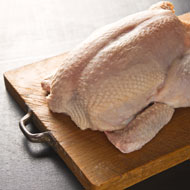
3.8 per cent of chickens across the major retailers tested positive for the highest level of contamination.
Levels of campylobacter in fresh shop-bought chickens have remained steady for the January-March 2018 results, according to the Food Standards Agency (FSA).
On average, latest figures show 3.8 per cent of chickens across the major retailers tested positive for the highest level of contamination. These are chickens that carry more than 1,000 colony forming units per gram (cfu/g) of Campylobacter.
"The latest figures are consistent with previous results and show we are consolidating on the significant progress made so far,” commented Michael Wight, director of policy and science at the FSA. “We will continue to actively work with retailers and smaller poultry businesses to further reduce campylobacter levels.
"We would like to thank the major retailers and poultry producers for their efforts in tackling campylobacter and for working alongside the FSA to coordinate the publication of results.”
The FSA has been testing chickens for campylobacter since February 2014 and publishing the results as part of a wider campaign to tackle the problem. Campylobacter is the most common cause of food poisoning in the UK.
Since 21 September, major retailers have been carrying out their own sampling and publishing the results under regulation laid down by the FSA. The FSA said that it is continuing to sample chickens sold at retail, but stressed that the focus is now on the smaller retailers and independent market.


 Companies marketing medicines for small pets exempt from authorisation must submit their annual return to the Veterinary Medicines Directorate (VMD) by 30 November 2026.



