


Scientists call for urgent research to provide further information
Almost a fifth of mammal species in Britain are at high risk of extinction, according to the most comprehensive review for 20 years.
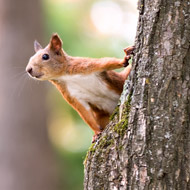
Red squirrels, wildcats and grey long-eared bats are all listed as facing severe threats to their survival. Meanwhile, other mammals such as hedgehogs and water voles, have seen their populations decline by as much as 66 per cent in the past two decades.
Pressures on Britain’s mammals include climate change, habitat loss, pesticide use and road deaths.
Scientists are calling for urgent research to be carried out to give a clearer and more accurate picture of Britain’s mammals.
Lead author of the review, Professor Fiona Mathews, said the current level of uncertainty is “unacceptably high”. Very little information exists for many species, including very common species such as rabbits and moles.
“It is possible that declines in many species are being overlooked because a lack of robust evidence precludes assessment,” she said.
“There is also an urgent need to quantify precisely the scale of declines in species such as the hedgehog, rabbit, water vole and grey long-eared bat.
“Effective and evidence-based strategies for mammal conservation and management must be developed before it is too late.”
Some mammal populations were in better shape, according to the review. Five species have increased in number over the past 20 years, while 18 species increased their geographic range, including otters, polecats, beavers and wild boar.
However, scientists said it is noteworthy that many of these ‘success stories’ involve species that were recently introduced to Britain, such as grey squirrels and muntjac deer.


 Companies marketing medicines for small pets exempt from authorisation must submit their annual return to the Veterinary Medicines Directorate (VMD) by 30 November 2026.



