


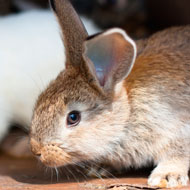
Study defines impact of temperature on risk level
Liverpool scientists are raising awareness of flystrike as part of Rabbit Awareness Week (2-10 June), after recent research showed how disease risk is affected by temperature.
A study published in Preventative Veterinary Medicine suggests that for every 1ºC rise in the average local temperature, there is a 33 per cent increase in the risk of flystrike.
The study looked at electronic health records from more than 40,000 pet rabbit consultations from UK veterinary practices. Risk levels peaked between June and August, but rare cases were seen as early as March.
Researchers joined forces with veterinary surgeon Molly Varga, who teaches Liverpool veterinary students about rabbit disease.
Together they created 10 top tips for rabbit owners on how to prevent flystrike:
1. Check your rabbit daily, and twice daily during peak season from June to August.
2. Keep your rabbits clean: Lack of grooming and overall poor coat hygiene can increase the risk of flystrike. The vast majority of blowfly strike affects the perineal area. Clean your rabbit’s bottom if it’s dirty as organic matter can attract flies.
3. Keep your rabbits’ hutch/environment clean.
4. Keep your rabbits’ at a healthy weight: Increased weight in rabbits increases the risk of flystrike.
5. Don’t change your rabbits’ diet quickly or feed lots of greens.
6. Use vet-approved insect repellent on your rabbits and use fly killers around the hutch.
7. Be extra vigilant with older rabbits: Rabbits aged five and over were almost four times more likely to be affected by flystrike. This might be because with age rabbits become less able to efficiently groom themselves, or because they receive less human interaction, such that owners may fail to, or take longer to, identify those health risks that predispose to flystrike.
8. Be extra vigilant between June and August.
9. Have your rabbits checked regularly by your vet.
10. Call your vet if you are worried, especially if you suspect flystrike.


 Eligible members of BEVA will be able to vote for their Council team until Monday, 17 August 2026. Members will have received an election email on 17 July.



