


Vets reminded to agree vaccination programmes in advance
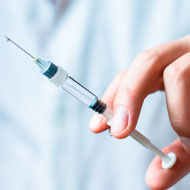
The reminder comes in response to complaints received by the VMD concerning vaccinations for leptospirosis.
The RCVS and the VMD are reminding veterinary surgeons of the advantages of working with clients and agreeing on vaccination programmes in advance.
The reminder comes in response to complaints received by the VMD concerning vaccinations for leptospirosis. Owners said their dogs were given vaccinations containing four serovars of Leptospira, without having first discussed it with their vet, or without the vet discussing alternatives.
Some owners complained that their vet had advised their dog have the L2 vaccine but was not able to offer it because the practice only stocked L3 or L4 vaccines. In light of such complaints, the VMD advises practices to consider stocking vaccines with different Leptospira compositions.
“Currently an extensive range of dog vaccines is licensed in the UK to suit each individual circumstance, providing protection against many life-threatening diseases,” said Noemi Garcia del Blanco, VMD’s head of biologicals. “No administration of medicine is risk-free, even if it has been granted a marketing authorisation. Both expected and unexpected adverse events can occur following product use.”
Eleanor Ferguson, RCVS registrar, added: “Under the Code of Professional Conduct for Veterinary Surgeons we ask that veterinary surgeons be open and honest with clients and respect their needs and requirements and that they also communicate effectively with clients and ensure informed consent.
"In order to fulfil the spirit of the Code we would remind vets that they should discuss and agree with their clients the most suitable vaccination programme for their dog based on its circumstances, the local epidemiological situation and risk of leptospirosis, balanced with the potential risks of adverse events as listed in the product information.”
She continued: “Such a programme should be agreed at the earliest opportunity with a detailed discussion about the advantages and disadvantages of any particular vaccine or vaccines and should be reviewed or amended should adverse effects arise.”


 Companies marketing medicines for small pets exempt from authorisation must submit their annual return to the Veterinary Medicines Directorate (VMD) by 30 November 2026.



