


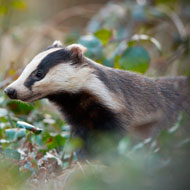
Government to allow culling in ‘exceptional circumstances’
Defra has announced that badger culling will be allowed in the Low Risk Area (LRA) of England, in the ‘rare event’ that TB in badgers is linked with infected herds.
The decision follows a recent consultation and is part of the government’s strategy to eradicate bovine TB by 2038.
In a written statement, minster of state George Eustice said the move will help to preserve the LRA’s low incidence status. It will also allow outbreaks to be tackled quickly and prevent disease spreading within wildlife and cattle populations.
‘Badger control in the LRA is expected to be permitted only in very exceptional circumstances where veterinary epidemiologists judge an area to meet the published criteria for a bTB “hotspot”,’ he explained.
‘Any decision on whether to implement badger control in a specific LRA location will be taken by the Defra Secretary of State after considering all relevant scientific and veterinary advice. All the stringent licensing criteria set out in Defra’s Guidance to Natural England will need to be met by the cull company.’
BVA response
Commenting on the news, BVA president John Fishwick said: “BVA is supportive of the principle of badger controls within the LRA of England where there is a demonstrated need and where it is done safely, humanely and effectively as part of a comprehensive strategy.
“We recognise the expertise and professional judgement of veterinary and scientific colleagues in government to safeguard animal health and welfare, but the lack of detail on the evidence base behind the proposed badger culling methodology in the LRA means we cannot give our full support to the proposals as they stand currently.”
The BVA had called for greater clarity on how and where badger controls would be introduced in the LRA, but the published criteria do not “offer adequate insights into this process”, Mr Fishwick said. In addition, BVA said it is concerned that culling will be industry-led, rather than centrally controlled and government-led.
In the written statement, Mr Eustice also announced changes to compensation for the slaughter of infected cows, when a healthy cow has been moved onto a risky herd. From November 2018, compensation will be 50 per cent of the average market price for the animal.
Finally, the statement confirmed that surveillance testing for most herds in the High Risk Area will be required every six months from early 2020.


 Companies marketing medicines for small pets exempt from authorisation must submit their annual return to the Veterinary Medicines Directorate (VMD) by 30 November 2026.



