


MPs launch inquiry into dangerous dog laws
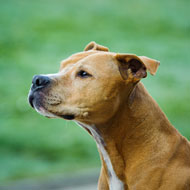
The Efra Committee is calling for evidence on the effectiveness of the Dangerous Dogs Act.
Cross-party MPs are launching an inquiry into dangerous dog laws, amid concerns that current legislation is impacting dog welfare and failing to protect the public.
The Dangerous Dogs Act 1991 makes it an offence to own four breeds of dog that are traditionally associated with fighting - the pit bull terrier, Japanese Tosa, Fila Brasileiro and Dogo Argentino - unless the dog is placed on the exemption list and adheres to certain requirements.
Whilst the law was created to protect the public from dog attacks, numerous animal welfare charities say it has failed to achieve its goals.
Research by the RSPCA shows 37 people have died in dog-related incidents since 1991, of which 28 involved dogs that were not banned breeds. Other data show the number of yearly hospital admissions for dog bites increased by 76 per cent between between 2006-2016.
The Environment, Food and Rural Affairs (Efra) Committee is calling for evidence on how effective the act is at protecting the public and what changes could be made.
Committee chair Neil Parish MP said: “The Government is responsible for protecting the public from dangerous animals, so it is essential that laws evolve alongside our understanding of what works…
“My Committee will investigate whether the Government's current approach is having the desired effect, and whether any changes are needed to ensure that the public is properly protected and that animal welfare concerns are properly addressed”.
RSPCA welfare expert, Dr Samantha Gaines, welcomed the inquiry.
“Not only is the legislation failing to protect the public, but it is also failing dogs,” she said. “Thousands of dogs have been kennelled unnecessarily and huge numbers put to sleep over the years simply for looking a certain way and that’s a serious welfare and ethical issue.”
She added: “There is no scientific basis to BSL. There’s no robust scientific evidence to suggest the types that are banned pose a heightened risk to the public compared to other types and no research that shows dogs traditionally selected for fighting are inherently aggressive or that their bite style could cause more serious damage than another dog.
“The simple fact here is that the way a dog looks is not a predictor of whether he or she is a risk or is likely to be aggressive. Aggression is a much more complex behaviour than that and any dog, regardless of its breed or type, has the potential to be dangerous if they are not properly bred, reared or given the right experiences in life.”


 Eligible members of BEVA will be able to vote for their Council team until Monday, 17 August 2026. Members will have received an election email on 17 July.



