


Governments urged to modernise surveillance networks
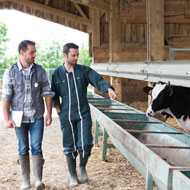
The BVA’s position on veterinary scanning surveillance is the culmination of a year of evidence gathering and analysis
The BVA is calling on UK governments to modernise and enhance the current disease surveillance networks.
The call follows the publication of a position paper on veterinary scanning surveillance, developed through the BVA’s surveillance working group.
“Until now, BVA has always championed a robust surveillance network, but we’ve never set out our vision for how surveillance in the UK should look,” said BVA president John Fishwick. “Our position paper aims to do just that, recognising the value that all members of the veterinary profession add by contributing to animal health and disease monitoring in all its forms, be that production animal, equine, wildlife or companion animal.”
He continues: “We also call on the UK Governments to work collaboratively with the profession to modernise and enhance the UK’s disease surveillance networks across all species. This is not just about protecting the resources currently spent on the existing system, it is about thinking innovatively about potential new approaches to disease surveillance.
“This means ensuring we are using all the available data and evidence to protect both large and small animals in the UK from new, emerging and endemic disease.”
The BVA’s position on veterinary scanning surveillance is the culmination of a year of evidence gathering and analysis by the BVA surveillance working group. In it, the BVA sets out 25 recommendations on how to modernise and optimise existing animal health and disease monitoring networks.
The BVA will achieve this through:
• maintaining the current level of Government resource spent on the scanning surveillance network
• adopting new approaches to data collection and feedback
• optimising appropriate skills and expertise
• rethinking traditional approaches to funding and coordination
• articulating the value of surveillance reporting to the veterinary profession and other stakeholders through education to increase awareness and participation
• working collaboratively with stakeholders to explore innovative communication strategies
“The profession’s commitment to the role of the veterinary surgeon as a public guardian across all species enables the continual monitoring for endemic disease and by recognising the unusual, helps to identify new and emerging threats that need further investigation,” said Kate Sharpe, chair of the BVA surveillance working group.
“Government veterinary surgeons play an invaluable role providing a holistic service to private veterinary surgeons and practices and escalating any arising concerns through the appropriate channels to ensure action is taken.
“But the success of our surveillance networks relies on people and relationships within them, as well as a sound knowledge of when, what, how and who to report to. With this in mind, the BVA position paper aims to identify areas in current Government surveillance networks that could be improved, and how vets can derive increased value by contributing to animal health and disease monitoring activities and using the reports generated.”
To optimise its own communications service, the BVA intends to update its website and contact every member on how they can ‘kickstart’ their own engagement with existing networks.


 Companies marketing medicines for small pets exempt from authorisation must submit their annual return to the Veterinary Medicines Directorate (VMD) by 30 November 2026.



