


Bat lifecycle disrupted by rising temperatures
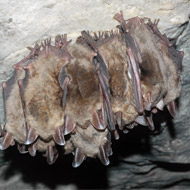
Researchers in Portugal have been monitoring bat roosts since the 1980s.
The lifecycle of European bats appears to have been disrupted by rising temperatures, according to new research.
Speaking to BBC News, Dr Hugo Rebelo of the University of Porto said that some bats in the Mediterranean had ignored hibernation altogether this year, while some produced young early.
Dr Rebelo is concerned that some bats born early could suffer from a lack of insects to feed on.
“It's a phenological mismatch," he said. "What this means is that the bat birth is more or less synchronised with the time of emergence of insects so that when bats give birth there are plenty of resources to feed on and then to feed their own pups.
"With these chaotic weather patterns we are having now in winter and spring we don't know if everything is being mixed up.”
Researchers in Portugal have been monitoring bat roosts since the 1980s. To make it through the winter, bats need to hibernate as there are not enough insects to eat.
In January and February this year, Dr Luísa Rodrigues, a biologist at The Institute of Conservation of Nature and Forests in Lisbon, visited 20 caves in Portugal and discovered bats that had been born very early.
While Dr Rodrigues only observed early births in one of the roosts, she said that it is a sign that the situation needs to be continually monitored.
"It's not a red alert but it's something that we need to be conscious of," she told BBC News.


 Companies marketing medicines for small pets exempt from authorisation must submit their annual return to the Veterinary Medicines Directorate (VMD) by 30 November 2026.



