


Concerns over US rise in vector-borne diseases
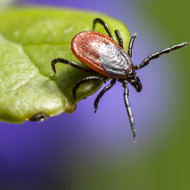
Tick-borne diseases more than doubled from 2004-2016, accounting for more than 60 per cent of all reported vector-borne diseases.
Illnesses from mosquito, tick and flea bites have tripled in the US over a period of 13 years, according to a new report by the Centers for Disease Control and Prevention (CDC).
Scientists looked at data from national surveillance of 16 notifiable diseases from 2004 to 2016. There were more than 640,000 reported cases of disease as a result of bites from infected mosquitos, fleas and ticks.
Tick-borne diseases more than doubled during this time period, accounting for more than 60 per cent of all reported vector-borne diseases.
The most common tick-borne diseases in the final year of the study were Lyme disease and ehrlichiosis/anaplasmosis. Meanwhile, West Nile, dengue and zika accounted for the largest number of mosquito-borne disease. Despite being rare, plague was the most common disease arising from the bite of an infected flea.
Nine new infections spread by mosquitos or ticks were discovered or introduced to the US during this time.
CDC’s report said the US must be better prepared to face the growing public health threat posed by these diseases.
There are thought to be many reasons for the increase. Mosquitos, ticks and the infections they spread are rising in number and moving to new areas, while overseas travel and commerce are more common than ever before, meaning travellers can unwittingly import diseases such as Zika.
“The data show that we’re seeing a steady increase and spread of tick-borne diseases, and an accelerating trend of mosquito-borne diseases introduced from other parts of the world,” said Lyle Petersen, director of the Division of Vector-Borne Diseases in the CDC’s National Center for Emerging and Zoonotic Infectious Diseases.
“We need to support state and local health agencies responsible for detecting and responding to these diseases and controlling the mosquitoes, ticks, and fleas that spread them.”


 Companies marketing medicines for small pets exempt from authorisation must submit their annual return to the Veterinary Medicines Directorate (VMD) by 30 November 2026.



