


Record-breaking season for hare coursing operation
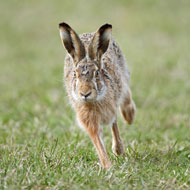
Hare coursing is banned under the Hunting Act 2004.
A police operation to tackle hare coursing in Lincolnshire has seen a 30 per cent fall in incidents.
Figures published by Lincolnshire Police show that a total of 1,365 incidents were reported in 2017/18 by residents compared with 1,965 in 2016/17.
The figures also show that officers seized 76 dogs being used for hare coursing, while 45 people were arrested or reported for summons. A further 58 people were served dispersal notices, forcing them to leave the country.
“We have had to raise our game to tackle what had been an increasing problem in Lincolnshire and these figures show our commitment to tackling rural crime,” said deputy chief constable Craig Naylor. “Criminals no longer see Lincolnshire as an easy target as they know we will seize their dogs which are worth thousands of pounds to them.”
Hare coursing is an illegal bloodsport which is banned under the Hunting Act 2004. The sport sees dogs being used to chase catch and kill hares, usually in large areas of land that have been cleared of standing crops.
Anyone convicted of hare coursing can receive a fine of up to £5,000. The legislation also gives the police powers to seize and detain vehicles until the court hearing.
“The fight against hare coursing is a crucial part of our drive to keep rural communities safe,” said police and crime commissioner Marc Jones. “The gangs that commit these crimes are often responsible for a raft of other offences when they come into our county.
“I am delighted the hard work done to provide the force with the right equipment to combat these gangs, along with the commitment and hard work of front-line officers, is beginning to make a difference.”


 Companies marketing medicines for small pets exempt from authorisation must submit their annual return to the Veterinary Medicines Directorate (VMD) by 30 November 2026.



