


Illegal veterinary medicines a ‘significant and growing problem’
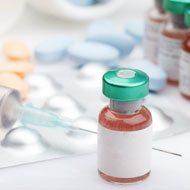
Illegal veterinary medicines comprise of counterfeit, falsified and unregistered products.
Illegal veterinary medicines are costing the global animal health industry an estimated $1-2 billion per year, according to a report by the global medicines association, HealthforAnimals.
The report, Illegal Veterinary Medicines: Impacts and Effective Control, is the first ever assessment of illegal veterinary medicines. It outlines the size of the illegal veterinary medicines market and identifies some of the major risks to animals, vets, people and business.
“For the Animal Health industry as a whole, illegal veterinary medicines are a significant and growing problem,” the report notes. “The continuing rapid growth in online buying and selling of products (e-commerce) and a parallel growth in international trade especially of small packages, has created new opportunities for trade in illegal veterinary medicines.”
Illegal veterinary medicines comprise of counterfeit, falsified and unregistered products and unapproved parallel imports. They also include compounded pharmaceuticals and illegal autogenous vaccines when these products are not manufactured according to regulation.
Risks identified by the report include damage to business reputation arising from safety issues and the associated loss of confidence in authentic medicines. It also notes a risk to human safety through the consumption of food from animals treated with illegal medicines, less effective control of zoonotic infections and risks of increasing antimicrobial and antiparasitic resistance.
The report makes a number of recommendations to develop an effective strategy for the control of illegal veterinary medicines. They include communicating an effective narrative with an emphasis on safety, collaborating with enforcement agencies, and using data to show trends and case studies.
HealthforAnimals says that it may take up to seven years and appropriate resources for the recommendations to come into effect and to see the full impact on illegal veterinary medicines.


 Companies marketing medicines for small pets exempt from authorisation must submit their annual return to the Veterinary Medicines Directorate (VMD) by 30 November 2026.



