


Magistrates order the first offenders to take part in charity course
Some courts can now require animal welfare offenders to undergo a rehabilitation scheme, which aims to reduce reoffending rates by teaching empathy.
The course, which was launched by the RSPCA, teaches participants about the basic needs of animals, their feelings and how to be a responsible pet owner, as well as how to make better choices.
David Allen, the charity’s head of education, said that while it may seem “strange” to help people who have neglected or abused animals, the programme offers an opportunity to target the behaviours that led to the abuse happening, and stop the person harming animals again.
“The RSPCA works hard to educate the public about the needs of animals but our inspectors sadly still see far too many cases of appalling cruelty and neglect,” he explained.
“We have all heard of speeding courses for those who have broken the limit to educate them about the potential impact of their actions and prevent it happening again.
"Similarly, this pioneering new scheme aims to teach offenders that animals feel fear and pain like us, spelling out the impact of their crimes, encouraging empathy for animals and advice about how to care for them.”
A pilot is currently underway but it is hoped the scheme could be rolled out nationally.
Magistrates have already begun ordering offenders to take part in the programme. The first case to be referred involved two men, aged 24 and 31, from Dover, who were sentenced at Canterbury Magistrates’ Court on Tuesday, 13 February, having previously admitted to a string of allegations under the Animal Welfare Act 2006.
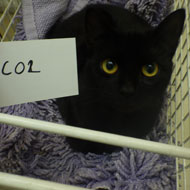
The case related to three cats that were abandoned at a property in Clarendon Street, Dover. The pair pleaded guilty to causing unnecessary suffering to one cat, which was found dead in its litter tray, and failing to meet the needs of two other cats.
They were ordered to pay costs and sentenced to 18 weeks in prison, suspended for two years, 20 days’ rehabilitation and a ban on keeping animals for 10 years. One of the offenders was also required to carry out 120 hours unpaid work.
Mr Allen said: “Magistrate David Ellerby was very impressed with the RSPCA pilot programme which aims to improve an offenders’ understanding of animal welfare and potentially reduce their risk of re-offending…
“We are delighted that courts are beginning to sentence offenders to our pilot intervention programme in the hope that this can prevent other animals from being hurt or neglected in the future.”
Image courtesy of the RSPCA


 Companies marketing medicines for small pets exempt from authorisation must submit their annual return to the Veterinary Medicines Directorate (VMD) by 30 November 2026.



