


Gove explores ban on live animal exports for slaughter
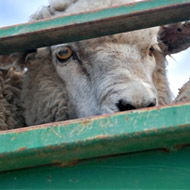
Defra says all options for improving welfare are being considered, including a potential ban on export for slaughter.
The live export of animals for slaughter could be banned after Brexit, the government said as it launched a call for evidence today (10 April).
Over the next six weeks, views will be welcomed from industry, the devolved authorities, charities and members of the public, on how the government could improve animal welfare during transport.
More than 4,000 sheep are transported from the UK to continental Europe for slaughter every year, according to the latest figures from 2016. Defra says all options for improving welfare are being considered, including a potential ban on export for slaughter.
Announcing the call for evidence, environment secretary Michael Gove said: “All animals deserve to get the respect and care they deserve at every stage of their lives.
“This call for evidence begins to deliver on our manifesto commitment which aims to control the export of live animals for slaughter once we leave the European Union.”
BVA president John Fishwick welcomed the ban.
“We believe that production animals should not be transported long distances to the abattoir but should be slaughtered as near to the point of production as possible,” he explained. “Animals should be transported on the hook, as meat, not on the hoof, as live animals.
“It is vital that we maintain the UK’s current high standards of animal welfare post-Brexit and seek opportunities to improve them. We look forward to contributing to this call and seeing the results once the evidence has been collected.”
The Farm Animal Welfare Committee has also launched a review into existing welfare standards, which is being complemented by research from Scotland’s Rural College and the University of Edinburgh.
To share your views, visit: https://consult.defra.gov.uk/animal-health-and-welfare/live-exports-and-improving-welfare-in-transport/


 Veterinary practices are being urged to help owners safely dispose of any unused and expired pet medicines - not just antibiotics - during November's Animal Medicines Amnesty.




