


Nigel Owens speaks out about mental health
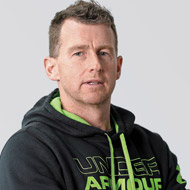
International rugby referee Nigel Owens received a standing ovation from delegates.
International rugby referee Nigel Owens received a standing ovation from delegates at BSAVA Congress yesterday (5 April), after giving a remarkably honest keynote speech describing his struggles with bullying and mental health issues.
Owens is widely regarded as one of the world's best officials and has amassed a great deal of experience in dealing with difficult decisions, emotional players and partisan audiences. He was awarded an MBE for services to sport in 2016.
Born and raised in a small village in South Wales, Owens spoke of the loneliness, fear and shame he felt when he was bullied at grammar school for a period of five to six months, and the way this affected the rest of his life.
In his teens, he struggled to come to terms with the realisation that he was gay, which prompted a series of spiralling mental health issues including depression, binge eating, bulimia and a steroid addiction that lasted five to six years.
By the time he was 24, he decided to visit his GP to discuss chemical castration, which he believed was the answer to his feelings of shame about his sexuality. When this option proved unviable, he decided to end his life and left a note for his parents.
Medics rescued him from the top of the hill in his home village after he overdosed on paracetamol and whiskey and fell into a coma. If his rescue had been delayed by just 20 minutes, doctors said it would have been too late to save him.
The experience, and particularly the impact it had on his parents, changed the course of his life. Owens said he came to the realisation that: "This is who I am. I don't have a choice. I need to grow up and accept who I am.
"That was the biggest challenge in my life. That I believe is the biggest challenge anyone will face… accepting you are different to others."
Whilst he has faced "massive" challenges and high-pressure scenarios in his work as a referee, he said these were "nothing to the challenge of accepting who I am".
Concluding his speech, he stressed the importance of "being yourself and being allowed to be yourself" in order to be the best that you can be.


 Companies marketing medicines for small pets exempt from authorisation must submit their annual return to the Veterinary Medicines Directorate (VMD) by 30 November 2026.



