


One-third of owners failing to socialise puppies, study finds
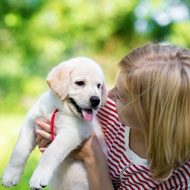
Just over half of owners (51 per cent) did not attend puppy classes.
A third of pet owners do not expose their puppies to enough social stimuli in the first few months of life, according to new research by the University of Guelph.
Scientists surveyed just under 300 pet owners, shortly after they acquired a puppy and again when the dog was 20 weeks old.
A significant percentage of pet owners provided only minimal socialisation, which is defined as offering interaction with dogs outside the home fewer than five times every two weeks, and with people fewer than 10 times in the same period.
The findings have been published in the Journal of the American Veterinary Medical Association.
Just over half of owners (51 per cent) did not attend puppy classes and researchers found that these puppies were more likely to be fearful of noise, such as vacuum cleaners and thunder, and were more likely to react fearfully to crate training.
Furthermore, pet owners who did not attend classes were more likely to use punishment-based methods of discipline, such as shouting or holding the puppy on its back.
“Those who attended the classes were more likely to respond to poor behaviour by redirecting the dog as well as ignoring bad behaviour and rewarding the good,” said post-doctoral researcher Janet Cutler.
Enrolment in classes was higher in owners with higher incomes, those who lived in cities and those who had no children.
Co-author Professor Jason Coe said the findings were “concerning” as they suggest a significant proportion of pet owners are missing the socialisation ‘window’ between two and 14 weeks, which is a “crucial piece in the behavioural development of dogs”.
Properly socialised puppies are less likely to be hyperactive, fearful, or show unwanted chewing or aggressive behaviour. Cutler said these problem behaviours are the leading cause of breakdown in the human-dog relationship and are associated with pets being relinquished to rescue homes.
Prof Coe said veterinary surgeons can play an important role in informing pet owners about the need for puppy classes and socialisation, when puppies are brought to the practice for their first appointment.


 Eligible members of BEVA will be able to vote for their Council team until Monday, 17 August 2026. Members will have received an election email on 17 July.



