


Electronic collars – a benefit to animals?
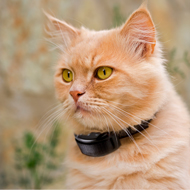
'Containment fences which also use electronic collars are a very safe and effective way of confining both cats and dogs to the garden where they are safe.'
Feline Friends veterinary surgeon Eric McCarrison says allowing the continued use of electronic collars with containment fences is a benefit to animal welfare, helping to prevent injuries and even fatalities on the roads.
McCarrison is urging the profession to call for containment fences to be excluded from the proposed ban in England. A consultation on the issue is currently underway.
Letter:
Protect our pets
Fellow vet professionals,
The government is proposing an outright ban on the use of electronic collars for dogs and cats. With pet welfare obviously being paramount for us this initially appears a very good idea. However, as a vet with 38 years of experience, a former Petplan Vet of the Year winner and trustee of a cat charity I believe that we should ask for changes to the proposal.
We have all seen the horrendous injuries from road traffic accidents and know that many times these cannot be treated successfully. It has been estimated that 300,000 pets, mainly cats, are killed or injured on our roads each year. Containment fences which also use electronic collars are a very safe and effective way of confining both cats and dogs to the garden where they are safe.
I installed the system after my own dog was knocked down outside our gates. Dogs and cats can be trained very quickly to the warning sound that the collars emit, and then with a very low static pulse (not unlike that you may get from a car on a hot day). My own dog took only 20 minutes of flags, sonic training and one pulse to know where the boundaries were. In the 10 years since I am not aware of him receiving another pulse. The whole idea is that our pets do not receive further pulses. See www.feline-friends.org.uk/video1.htm
A two-year study conducted by Lincoln University found no harmful effects to cats from the containment fences. For most people there is no other practical way of keeping cats off the road and safe.
As trustees of Feline Friends (Derbyshire) we wholeheartedly agree that the hand held controls which are used with the collars to train dogs should be banned, since these are under the direct control of humans, and unfortunately we all know what they are capable of.
We are asking as many people as possible to write to their MPs and/or Michael Gove asking them to change the proposed legislation so that the electronic collars used with containment fences are excluded from a ban on training collars for dogs. Otherwise our surgeries will see yet more pets dying under the wheels of cars.
All responses to the consultation have to be in by the 27th of April so please follow the links below to voice your opinion on this matter. Your clients and pets are relying on you.
Gove's email address at DEFRA: correspondence.section@defra.gsi.gov.uk
To find the name of your local MP: www.parliament.uk/mps-lords-and-offices/mps/
Eric McCarrison BVMS MRCVS
Trustee
Feline Friends (Derbyshire)


 Eligible members of BEVA will be able to vote for their Council team until Monday, 17 August 2026. Members will have received an election email on 17 July.



