


Born Free reiterates call for complete ban on ivory sales
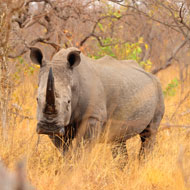
"Rhinos will only have a long-term future if we can end the demand for rhino horn”- Will Travers OBE.
Born Free has reiterated its call for a complete ban on the sale of ivory after two libation cups, carved from rhino horn, sold in West Sussex for more than £40,000.
According to the charity, the cups were claimed to be 17th or 18th century and sold at Denham’s Auctioneers in Farnham, West Sussex, for 22,000 and 20,000 on 28 February.
“There is no suggestion that by selling the two items, Denhams has done anything illegal. However, the fact that items consisting of or containing rhino horn can be traded commercially at all is extremely concerning,” said Will Travers OBE, president and co-founder of Born Free.
“At a time when the UK is considering measures to effectively close all commercial trade in elephant ivory, it seems incongruous, inconsistent and, indeed, immoral for any rhino horn sales – antique or not – to be permitted.”
Currently, only rhino horn in the form of worked antique items (pre-1947) can be traded commercially. It is the seller's responsibility to provide proof of provenance and the item must sell for significantly more than the value of the weight of rhino horn it contains. This ensures that the horn isn't ground down and sold into illegal markets.
But while mechanisms to check on the value of rhino horn are in place for items that are to be exported outside of the EU, no checks exist for items that are sold to the UK or EU-based buyers, and no certification is required.
This raises serious concerns that rhino horn - in the form of genuine or fake antique - might be traded, smuggled out of the country, and used for illicit purposes, Born Free said in a statement. In turn, this could further stimulate demand in Asian countries and increase incentives for criminal gangs to go after live rhinos.
“Ultimately, rhinos will only have a long-term future if we can end the demand for rhino horn,” added Travers. “Ending the commercial trade in all items made from or containing rhino horn – for good – would be one step towards achieving that objective means.”


 Companies marketing medicines for small pets exempt from authorisation must submit their annual return to the Veterinary Medicines Directorate (VMD) by 30 November 2026.



