


RSPCA reports high volume of litter-related incidents
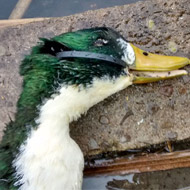
A duck had to be put to sleep after being found with severe injuries from a ring of plastic.
The RSPCA receives a call about an animal that has been injured by litter every two hours, according to new figures.
The figures are released as Keep Britain Tidy’s Great British Spring Clean gets underway (2-4 March 2018). The annual event is designed to bring people across the country together to clear up the litter in our towns, villages, countryside and beaches.
The figures show that seven out of 10 calls to the RSPCA related to animals affected by angling litter (3, 685) including netting, old hooks and lures. The rest were about general litter (1,396), such as tin cans and plastic products.
The RSPCA data shows that bird species most affected last year were swans, domestic geese and gulls. Cats were the most affected mammals, followed by foxes, deer and hedgehogs.
“It’s shocking how many litter-related incidents we see, particularly as these kinds of animal injuries and deaths are entirely avoidable,” said RSPCA head of animal warfare Adam Grogan.
“It is good that there’s a global spotlight on how we use and dispose of plastic and other litter so that people understand how their rubbish is affecting animals and the environment. Every month our officers, wildlife centres and hospitals deal with hundreds of cases where pets or wildlife have become caught up in - and even died - from carelessly discarded items.
“Only last week, the RSPCA was called out to a duck, which sadly had to be put to sleep after being found with severe injuries from a ring of plastic - probably from an oil can - stuck round her neck and beak.
“An animal’s life could be saved if members of the public picked up and safely binned any litter they saw.”


 Companies marketing medicines for small pets exempt from authorisation must submit their annual return to the Veterinary Medicines Directorate (VMD) by 30 November 2026.



