


Keepers reminded to house birds and ensure high biosecurity standards
The Welsh Government has reported a case of avian influenza H5N6 in a wild bird in Barry, Vale of Glamorgan.
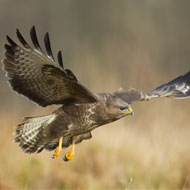
A dead buzzard submitted for disease surveillance tested positive for the same strain that has been found in wild birds in England in recent weeks. It is the first finding in Wales this year.
Government officials said the veterinary risk is not considered to have increased for wild birds or poultry in Wales as a result of the finding.
Cabinet secretary Lesley Griffiths said the finding is “not unexpected” at this time of year.
“It follows our recent calls for bird keepers to be vigilant and practice high levels of biosecurity and the introduction of an All Wales Prevention Zone on 25 January to mitigate the risk to poultry and other captive birds,” she added.
“This remains in place and the existing enhanced biosecurity requirements are still considered to be proportionate following this finding."
Senior veterinary officer Dr Gavin Watkins added: “Bird keepers must remain vigilant for signs of disease and I cannot stress enough the importance of practicing the very highest levels of biosecurity.
“The main source of infection to captive birds is wild waterfowl, and biosecurity measures must address both direct and indirect spread of infection to areas where domestic birds are kept. Birds of prey such as buzzards are probably infected by eating affected waterfowl and are unlikely to play a role in transmission.
“The movement of poultry should be minimised, and clothing and equipment should always be cleansed and disinfected before and after their use.”


 Companies marketing medicines for small pets exempt from authorisation must submit their annual return to the Veterinary Medicines Directorate (VMD) by 30 November 2026.



