


New Zealand to release rabbit-culling virus
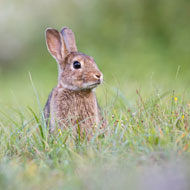
RHDV is spread by insect vectors such as flies and through direct contact with affected rabbits.
Rabbit owners in New Zealand are being urged to vaccinate their pets, as a new virus strain is set to be released across the country in a bid to cull wild rabbits.
A nationwide release of the K-5 strain of rabbit haemorrhagic disease virus (RHVD1) will take place during March and April.
The country’s Society for the Prevention of Cruelty to Animals (SPCA) said it was disappointed by the decision, as the virus causes significant suffering and also poses a threat to pet rabbits.
“Our organisation advocates for the use of more humane methods where rabbit population control is necessary,” says SPCA chief scientific officer Dr Arnja Dale.
“We are disappointed that this new virus strain will be released in New Zealand despite the suffering it will cause affected rabbits and the potential risk to companion rabbits.”
Moderate to severe suffering
RHDV is spread by insect vectors such as flies and through direct contact with affected rabbits. Welfare assessments suggest the virus causes moderate to severe suffering in affected animals and death can be prolonged.
Symptoms include fever, loss of appetite, lethargy, fatigue, convulsions, signs of suffocation, opisthotonus, sudden crying, haemorrhaging and uncoordinated movements. Some rabbits, however, may show no external signs of infection and die from sudden organ failure within 12-36 hours.
Cull welcomed by farmers
Whilst the release of the virus has prompted concern among welfare charities and the public, it has been welcomed by the Federated Farmers of New Zealand, which said the news will be a ‘huge relief’ to farmers.
The Ministry of Primary Industries (MPI) says wild rabbits are the most serious agricultural and environmental pests in the country, causing over $50 million in lost production and $25 million in pest control a year.
A Czech strain of the virus was introduced illegally in 1997, but MPI says wild rabbits are increasingly immune to it. K-5 is a Korean strain of the existing RHDV1.
Protecting pets
A vaccine is currently available to protect pet rabbits against the original RHDV1 v351 strain; but while research suggests it also protects against the K-5 strain, there are concerns that it has not been adequately tested in the field.
Nonetheless, owners are advised that regular vaccinations, alongside efforts to prevent exposure, are the best way to keep rabbits safe.
Dr Dale said: “A large number of pets could be at risk so we are urging all rabbit owners to contact their veterinarian immediately for up-to-date advice on how to protect their rabbit from the new strain of this deadly virus,” she said.


 Companies marketing medicines for small pets exempt from authorisation must submit their annual return to the Veterinary Medicines Directorate (VMD) by 30 November 2026.



