


Water vole distribution falls by 30 per cent
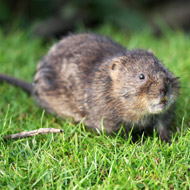
Water voles are the UK’s fastest declining mammal, having been lost from 94 per cent of places where they were once prevalent.
The distribution of water voles has declined by 30 per cent over the past decade, according to a new analysis of data led by the Wildlife Trusts.
Conservation efforts to save the mammal, including reintroductions and river restoration, appear to have been successful on a local level. However, the data suggests these successes are not enough to reverse the overall declines.
Data from England and Wales from 2006 to 2015 paints ‘a bleak picture’, the trust warned, as it called for action from the government, landowners and the public.
The species has suffered huge declines since the 1960s due to habitat loss, water pollution, building development and predation by the North American mink, which was introduced to Britain for fur farming in the twentieth century. It is now the UK’s fastest declining mammal, having been lost from 94 per cent of places where it was once prevalent.
Water voles are ‘ecosystem engineers’, meaning their burrowing and feeding along the edges of watercourses creates conditions for other animals and plants to thrive.
“Water voles are an essential part of our wild and watery places and it’s terribly sad that we’re continuing to witness huge declines of this much-loved mammal,” said Ellie Brodie, senior policy manager for the trust.
“The Wildlife Trusts and others are working hard to help bring them back again and care for the places that they need to survive – but much more is needed if we’re going to stop this charismatic creature disappearing altogether.”
The charity is urging the government and local authorities to create a nature recovery network, underpinned by a new Environment Act. This would protect, link and create areas of habitat to help wildlife move and spread out. Funding should also be increased to boost water vole conservation efforts.
Landowners are being asked to manage river bank habitats sympathetically, by providing generous buffer strips to allow water voles to shelter and feed; creating soft edges to riverbeds so they can make burrows; and avoiding the use of heavy machinery near watercourses.
Members of the public are also being called on to learn about opportunities to help survey water voles or manage riverside habitats.


 Companies marketing medicines for small pets exempt from authorisation must submit their annual return to the Veterinary Medicines Directorate (VMD) by 30 November 2026.



