


Calves given coats to curb antibiotic use
“One of the ways we’re reducing [antibiotic] use is to identify particular times when animals are at risk."
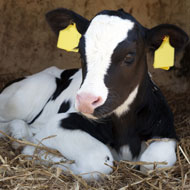
Farmers in Devon are putting coats on their calves to help keep them healthy and avoid the need for antibiotics.
The technique has become particularly popular in the past 18 months as the industry has made increasing strides in curbing the use of antibiotics.
Andy Biggs, a veterinary surgeon at Vale Veterinary Group, told the Telegraph: “If [calves] can’t keep warm, they are more likely to come into contact with common infections and diseases.
“Farmers don’t like to inject their animals. It’s not just about costs, but many are aware what antibiotics do. The major worry is that they are transferable to humans.”
The use of antibiotics in UK farm animals has fallen by 27 per cent since 2014.
Catherine McLaughlin, vice-chair of the RUMA Alliance, is quoted by the Telegraph as saying: “One of the ways we’re reducing use is to identify particular times when animals are at risk.
“At these times we are finding other ways to protect them, such as making sure they are fed more colostrum with higher levels of antibodies at birth, or using coats to stop them catching a chill while we improve ventilation in barns.”
Going forward, Mr Biggs said Brexit might offer further opportunities for reducing antibiotic use in farming, such as investing in warmer, more insulated barns for calves.


 Companies marketing medicines for small pets exempt from authorisation must submit their annual return to the Veterinary Medicines Directorate (VMD) by 30 November 2026.



