


Seal surge prompts RSPCA to launch urgent appeal
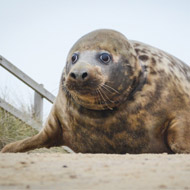
A grey seal during her release soon after she was admitted to RSPCA's East Winch Wildlife Centre.
A surge in sick and needy seal admissions to the RSPCA’s wildlife centres has prompted the charity to launch a crisis appeal for donations.
The RSPCA says that a record 350 seals were admitted to RSPCA centres in 2017, up almost 100 from the previous year. As such, the charity has seen its costs soar, with the monthly fish bill alone topping £14,000.
Currently, there are some 150 seals under the RSPCA’s care. Experts at the charity believe the surge is due to a ‘perfect storm’ of extreme weather coming at the height of the grey seal breeding season.
RSPCA head of wildlife Adam Grogan said: “We have never cared for so many seals at this time of the year before. As storm after storm hit our coastline earlier this winter, more and more seals have been admitted to our wildlife centres in Somerset, Cheshire, Norfolk and East Sussex.
“It couldn’t have happened at a worse time for them - during the pupping season - which means most of these poor seals would have still been dependent on their mother. The seals eat enormous amounts of fish - mostly mackerel - and this represents a huge part of the wildlife centres’ budgets."
To cope with the increase in seal admissions, extra staff and volunteers have been taken on to provide 24-hour care, tube-feeding and medical treatment. The RSPCA said that it takes on average at least three months to rehabilitate a seal back to the wild, so the ongoing costs are significant.
“If it wasn’t for us, these seal pups might have starved to death. But we really need the public’s help because without their donations we simply couldn’t do what we do,” said Adam. “This winter hasn’t been too kind to these seals so far, but hopefully the public’s generosity will bring them a little bit of sunshine.”
For more information about the campaign and to make a donation, visit www.rspca.org.uk


 Companies marketing medicines for small pets exempt from authorisation must submit their annual return to the Veterinary Medicines Directorate (VMD) by 30 November 2026.



