


Signs of spring arrive early, RSPB reports
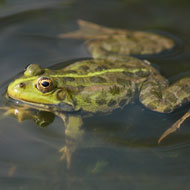
There have been reports in southern England of frogs starting to spawn.
Warmer temperatures have prompted nature to awaken from its winter slumber early this year, according to the RSPB.
Despite the current wintry conditions, temperatures in January were above average in England and Wales, with parts of southern England reaching 15ºC.
In response, the RSPB says it is already beginning to see signs of spring on its reserves, including acrobatic ravens, the dawn chorus and snowdrops peering out from the ground. The booming call of the bittern was heard as early as mid-January at the Ham Wall reserve in Somerset.
The call of early-nesting ravens has also been noted on a number of reserves, as they take to the air to perform their tumbling, acrobatic displays.
RSPB wildlife advisor Debra Depledge said: “The warm January conditions will have stirred many birds out of their winter slumber earlier than usual allowing some pioneering individuals to gain competitive edge on potential rivals by making a start on gathering nest materials, securing a patch and finding a mate.”
Warmer weather last month acted as a catalyst for other wildlife too. There have been reports in southern England of frogs starting to spawn and newts heading to the nearest pond after waking from hibernation.
Early-flowering woodland plants such as bluebells, primrose and daffodils are also starting to make an appearance in gardens.
Debra added: “February is strictly still winter, but the mild January means that nature’s calendar may have advanced by a week or more, making February a month full of great promise. The flowering plants, singing birds and the emergence of many other species act as a beacon telling us spring is on its way.”


 Companies marketing medicines for small pets exempt from authorisation must submit their annual return to the Veterinary Medicines Directorate (VMD) by 30 November 2026.



