


Investigation launched after lion dies at South Lakes Safari Zoo
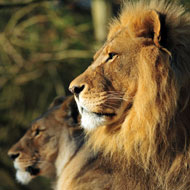
A lion has died at South Lakes Safari Zoo prompting the RSPCA to launch an investigation. (Image - stock photo).
An investigation has been launched by the RSPCA into the death of a lion at the controversial South Lakes Safari Zoo.
According to The Independent, Nero the African lion died at the Cumbria-based zoo last July. Details are only just emerging, however, thanks to a BBC documentary due to be broadcast on Thursday (8 February).
It is thought that Nero died after eating meat that was contaminated with barbiturate poison, but the exact cause is still to be determined.
This is not the first time that South Lakes Safari Zoo has hit the headlines. In 2013, the zoo was fined for health and safety breaches after one of its keepers was mauled by a tiger. Twenty-four-year-old Sarah McClay sustained serious injuries during feeding time and died later as a result.
Then in 2017, a report by Barrow Borough Council revealed that almost 500 animals had died at the zoo between December 2013 and September 2016. Among them was a jaguar euthanised after it had chewed its own paw and an electrocuted tortoise.
The controversies led to founder David Gill losing his licence to continue running the zoo and, in May 2017, responsibility was handed over to Cumbria Zoo Company Limited.
“We are deeply concerned to hear about new revelations relating to the sad death of Nero the lion at the zoo and as a result, we will be investigating this further," an RSPCA spokesperson told The Independent. “Despite new management and some reported improvements in welfare at the zoo last year, the RSPCA continues to have concerns about the conditions there.
"Worryingly, a planned inspection of the zoo by Barrow Borough Council, which is responsible for issuing its licence, has been postponed. We continue to have concerns that the running of this zoo is having an impact on the welfare of the animals and recently wrote to the chief executive of the council urging him to carry out this inspection jointly with the RSPCA as a matter of urgency.”
The RSPCA continued: "We are very troubled about reports of further animal welfare concerns and we urge the programme-makers to share any information they have."
MRCVSonline has contacted South Lakes Safari Zoo for comment.


 Companies marketing medicines for small pets exempt from authorisation must submit their annual return to the Veterinary Medicines Directorate (VMD) by 30 November 2026.



