


Study explores risk factors associated with dog bites
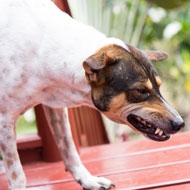
Men were almost twice as likely to have been bitten than women.
A new observational study by the University of Liverpool highlights factors that could be linked with a heightened risk of dog bites.
Researchers surveyed just under 700 people in 385 households, in a semi-rural town in Cheshire, to investigate bite prevalence at a community level, as well as victim-related risk factors.
One in four respondents said they had been bitten before, of which more than half (54.7 per cent) were bitten by a dog they didn’t know. Men were almost twice as likely to have been bitten than women. Meanwhile, those who owned several dogs were more than three times more likely to have been bitten than the non-dog owners.
Around a third of dog bites (33 per cent) required treatment but only 0.6 per cent resulted in hospital admission.
Researchers also assessed emotional stability using the Ten Item Personality Inventory (TIPI), to see whether certain traits may have a bearing on the risk of dog bites. The scores indicated that those who were assessed as being more emotionally stable and less neurotic were less likely to be bitten by a dog. The team said this link should be investigated further.
The findings have been published in the Journal of Epidemiology & Community Health.
Study authors stressed that this was an observational study so no firm conclusions on cause and effect can be drawn. They also acknowledged that the research was limited, as it only covered households in one county, so the findings cannot necessarily be applied to the rest of the UK. Furthermore, the study did not consider factors such as the dog’s sex, age or breed.
However, they believe the findings could help to inform policy and bite prevention strategies.
Lead author Dr Carri Westgarth said: “Although this was a small study, the findings are insightful and provide much improved indicators of the true burden of dog bites on public health. The suggested link between victim personality and risk of being bitten requires further investigation and potential consideration in the design of future bite prevention schemes.
“In order for the UK to develop effective prevention strategies it is also essential that previously assumed risk factors are reassessed, as this study has also revealed that prior beliefs, such as bites typically being from familiar dogs, are contested.”


 Eligible members of BEVA will be able to vote for their Council team until Monday, 17 August 2026. Members will have received an election email on 17 July.



