


Public urged to report dead animal sightings
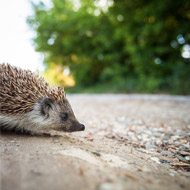
Cardiff University’s Project Splatter aims to quantify and map roadkill across the UK.
Conservationists are calling on members of the public to report sightings of roadkill to help save other animals from being killed.
Researchers behind Project Splatter say that reporting sightings may identify where deaths are occurring so that more can be done to protect animals and warn motorists.
Since its launch in 2013, the group is reported to have received 3,735 reports of dead animals, including rabbits, hedgehogs and badgers. But conservationists say this figure could be much higher.
Project Splatter researcher Amy Schwartz told BBC News that people are less likely to report species that are more unusual, such as larger animals.
"People see dead pigeons all the time but don't think to report it,” she said. “But it's important because it's a proportion of a larger picture. Where some animals are hit there tends to be other species as well."
Cardiff University’s Project Splatter aims to quantify and map roadkill across the UK. It collates data reported by members of the public using social media and turns those sightings into a good reference.
David Wembridge of the People’s Trust for Endangered Species said that the data brings into focus areas of the UK that conservation groups should concentrate on.
"No-one likes seeing dead animals on the roadside, but by counting them like this, we can collect enough data to allow us to compare population trends year on year, and identify where we need to focus our conservation efforts."
Badger Trust chief executive Dominic Dyer added that reporting accidents with animals helped conservationists reduce the likelihood of a collision through speed bumps, signage and animal tunnels.


 Companies marketing medicines for small pets exempt from authorisation must submit their annual return to the Veterinary Medicines Directorate (VMD) by 30 November 2026.



