


Raw meat diets pose risk to human and animal health - study
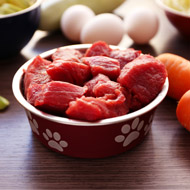
Researchers found that 43 per cent of commercial raw food diets contained listeria.
Pet owners should be informed about the risks associated with feeding their animals raw meat-based diets, a new study has concluded.
The research published in Vet Record analysed 35 commercial raw food diets across eight brands that are widely available in the Netherlands. It found that 43 of the products contained listeria, while 23 per cent contained E.coli.
Furthermore, the study found that 20 per cent of the products contained Salmonella, 11 per cent contained the parasite Sarcocystis cruzi and 6 per cent contained Toxoplasma gondii.
Paul Overgaauw from Utrecht University said: ‘Despite the relatively low sample size of frozen products in our study, it is clear that commercial RMBDs may be contaminated with a variety of zoonotic bacterial and parasitic pathogens that may be a possible source of bacterial infections in pet animals and, if transmitted, pose a risk for human beings.’
He adds that dogs and cats that consume raw meat diets are also more likely to become infected with antibiotic-resistant bacteria than animals on conventional diets.
In light of their findings, the authors are warning pet owners to be aware of the risks of feeding their animals a raw-meat based diet. The paper outlines several ways in which pet owners can encounter such pathogens. For example, through direct contact with the food or with a contaminated pet.
They also stress that pet owners should be educated about personal hygiene and proper handling of raw meat diets. ‘Warnings and handling instructions should also be included on product labels and/or packages’, they advise.
The study, Zoonotic bacteria and parasites found in raw meat-based diets for cats and dogs, is available at http://veterinaryrecord.bmj.com/content/182/2/50


 Eligible members of BEVA will be able to vote for their Council team until Monday, 17 August 2026. Members will have received an election email on 17 July.



