


Obesity prevalence in young dogs ‘concerning’ - survey
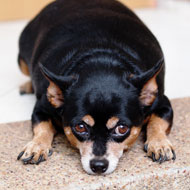
Out of 1,100 adult dogs, 65 per cent were overweight (with a BCS of 6/9 to 9/9).
Vets are being urged to proactively monitor pet bodyweight and body condition, beginning at initial vaccinations, after a recent study found high rates of obesity in juvenile dogs examined at UK pet shows.
Veterinary nurses assessed the body condition scores of more than 1,600 dogs at seven family pet shows, held across the UK between June 2016 and October 2017.
The findings have been reported in Vet Record letters by the University of Liverpool and Crown Pet Foods.
Out of 1,100 adult dogs, 65 per cent were overweight (with a BCS of 6/9 to 9/9), while nine per cent were obese (with a score of 8/9 or 9/9).
Most concerning, researchers said, was the level of obesity in dogs under two years. Out of 516 juvenile dogs, 37 per cent were overweight and three per cent were overweight and obese. The prevalence increased steadily during the growth phase, from 21 per cent in dogs under six months, to 52 per cent in dogs aged 18-24 months.
The last study to report the prevalence of dog obesity in the UK was published in 2010. It found 59 per cent of dogs were overweight or obese.
Obesity in dogs was officially classified as a disease at a recent WSAVA One Health meeting. It is associated with shortened life span and predisposition to other conditions, such as osteoarthritis, diabetes and certain types of neoplasia.
Authors of the letter said that weight and body condition is ‘infrequently’ recorded. Veterinary surgeons can help to reverse the trend by focusing on prevention, as well as managing obesity where it has already developed, they wrote.
‘Proactive monitoring of body weight and body condition throughout life would be fundamental to any such preventative plan. Given the prevalence of being overweight in growing dogs, body weight monitoring should start at initial vaccination and continue throughout the early life phase.’
Such an approach, the authors added, is facilitated by evidence-based growth charts, which are freely available at www.waltham.com/resources/puppy-growth-charts


 Eligible members of BEVA will be able to vote for their Council team until Monday, 17 August 2026. Members will have received an election email on 17 July.



