


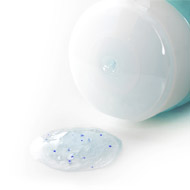
Beads cause serious harm to marine life
A UK ban on the manufacture of products containing microbeads has come into force in an effort to reduce the amount of harmful plastic entering our oceans.
From today (9 January), cosmetic and personal care manufacturers will no longer be able to include tiny pieces of plastic - known as microbeads - in rinse-off products like face scrub and toothpaste. Thousands of these beads find their way into our seas each year, causing serious harm to marine life.
“The world’s seas and oceans are some of our most valuable natural assets and I am determined we act now to tackle the plastic that devastates our precious marine life,” said environment minister Therese Coffey.
“Microbeads are entirely unnecessary when there are so many natural alternatives available, and I am delighted that from today cosmetics manufacturers will no longer be able to add this harmful plastic to their rinse-off products."
Conservationists have welcomed the ban, calling it ‘a new era in the fight for cleaner, healthier oceans’. Dr Sue Kinsey, senior pollution officer at the Marine Conservation Society, said:
“We are delighted that such a robust microbead ban has come into force. This is the strongest and most comprehensive ban to be enacted in the world and will help to stem the flow of micro plastics into our oceans.
“We believe that this signals a real commitment on the part of this Government to clean up our seas and beaches and hope this is a first step on this road before we see further actions to combat plastic waste.”
Dilyana Mihaylova, marine plastics manager at Fauna & Flora International, added: “Fauna & Flora International has been working to address the issue of plastic microbead pollution since 2009, and we are delighted that the Government took such a clear stand on this issue and that a robust UK microbeads ban comes into force today.
“We hope this ban signals the dawn of a new era in the fight for cleaner, healthier oceans, with the UK leading the way and supporting other countries to ensure that plastic will no longer reach the environment.”
While a ban on manufacturing the products comes into force today, they will continue to be sold in shops until later this year.


 Companies marketing medicines for small pets exempt from authorisation must submit their annual return to the Veterinary Medicines Directorate (VMD) by 30 November 2026.



