


UK farmers ‘could help to reverse declines in farmland birds’
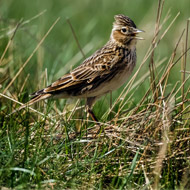
There has been a 56 per cent national decline in the number of farmland birds since 1970.
A new study UK farmers could help to reverse dramatic declines in struggling farmland birds, if they are given the funding and support to manage their land in a wildlife-friendly way.
The study, funded by Natural England and Defra, used six years of survey data to track the abundance of birds on more than 60 farms under Higher Level Stewardship (HLS) agreements in three regions between 2008 and 2014.
Findings published in the journal Animal Conservation show 12 out of 17 priority bird species showed a positive change in abundance, going against the 56 per cent national decline in farmland birds since 1970.
On average, the abundance of 17 priority species increased by 163 per cent under HLS management.
The Farmland Bird Index, an important measure of biodiversity, increased by between 31 and 97 per cent in different regions under HLS over the six-year period.
Commenting on the research, environment secretary Michael Gove said: “These results show that with the right management, and more targeted support for farmers, we can reverse the decline in numbers of our birds.”
Dr Will Peach, RSPB head of research delivery, added: “Our latest study shows that when farmers are supported to adopt wildlife-friendly approaches, then bird life will rapidly bounce back.
“Many farmers are doing great things for wildlife, and without their efforts, the countryside would undoubtedly be in a much worse position. We have the knowledge and the tools to reverse farmland bird declines, what we need now is the political will to implement them more widely.”
RSPB's head of land use policy, Jenna Hegarty, said governments across the UK must invest the existing budget in a better system, moving away from agricultural payments based on the size of land holdings, “towards a model that recognises the unique role our farmers must play in helping nature”.


 Companies marketing medicines for small pets exempt from authorisation must submit their annual return to the Veterinary Medicines Directorate (VMD) by 30 November 2026.



