


New guidance on the use of formaldehyde in fish
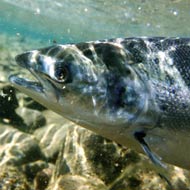
"Formaldehyde has been used as both a biocide and a medicine on UK freshwater fish farms for a long time" - Ronnie Soutar, FVS president.
New guidelines to assist veterinary surgeons considering formaldehyde for the treatment of fish have been approved by the British Veterinary Association (BVA).
Developed by the BVA and the Fish Veterinary Society (FVS), the guidelines clarify how formaldehyde can be used and what regulations vets must abide by. They also include information for formaldehyde’s use as a biocide.
Formaldehyde is classified as a Category 1B carcinogen. It is used both as a medicine to treat fish and as a biocide to disinfect facilities and equipment.
The use of formaldehyde to treat or prevent fish diseases falls within the scope of the Veterinary Medicines Regulations. Veterinary surgeons can only prescribe the compound via the Cascade, as there are no authorised medicinal products containing formaldehyde in the UK.
At least one formaldehyde product is licensed in several Mediterranean countries. But the use of this requires a special Import Certificate from the Veterinary Medicines Directorate. This more costly option - together with conflicting information within the industry itself - meant there was a need for clarifying guidance to help other vets in this situation.
“This is a really important issue within the UK aquaculture industry, particularly given the contribution farmed Scottish salmon makes to the UK economy,” said FVS president Ronnie Soutar. “Formaldehyde has been used as both a biocide and a medicine on UK freshwater fish farms for a long time but it’s fair to say there has been some confusion between the two categories of use.”
He continued: “Staying within prescribing law is key to the success of the UK’s aquaculture industries, and we hope the new BVA/FVS guidelines will provide vets with the essential guidance needed. I know that on-going discussion is also required, particularly to address the concerns of trout farmers.”
The guidelines were approved at BVA Council on 13 December and will soon be available on the BVA website.


 A nationwide roadshow offering free, personalised parasite risk assessments and flea and tick checks will be visiting popular dog events across the UK.



