


New cases of Alabama rot confirmed
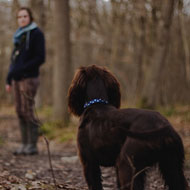
While the cause is currently unknown, there have been reports from owners that their dogs had been walked in muddy woodlands, prior to contracting Alabama rot.
Vets have confirmed new cases of Alabama rot this month, affecting dogs in Derbyshire and the West Midlands.
The latest incidents bring the total to 112 cases since the disease was first identified in the UK in 2012. This year alone, there have been nearly 30 cases, spanning numerous counties.
Willows Veterinary Group last week confirmed a fatal case in a dog from the Alsager area in Cheshire. Post-mortem results confirmed cutaneous and renal glomerular vasculopathy (CRGV), also known as Alabama rot.
A second dog is reported to have died in Edgbaston, central Birmingham, having contracted the disease after walking in Cannock Chase. It is the first time the disease has been confirmed in Birmingham.
On 8 December, Hartshorne Veterinary Surgery in Derbyshire confirmed diagnosis of Alabama rot in dogs that had recently walked in Gorse Lane Fields near Boothorpe. Local media reported that two dogs died, while a third is seriously ill.
Alabama rot was first identified in the US in the 1980s, where it was only seen in greyhounds. However, UK cases have been seen in dogs of various breeds, ages and weights.
While the cause is currently unknown, there have been reports from owners that their dogs had been walked in muddy woodlands, prior to contracting the disease. It is also thought there may be a seasonal link, as more cases are reported in November to May.
It is thought that 70-80 per cent of dogs die from the illness when the kidneys are affected.
Although the cause of the disease is not known, dog owners are advised to wash any mud off their dog’s body following walks, and to seek urgent help from their vet if they suspect Alabama rot. Skin lesions, ulcers or sores are an early warning sign, followed by vomiting, lethargy and inappetence.


 Eligible members of BEVA will be able to vote for their Council team until Monday, 17 August 2026. Members will have received an election email on 17 July.



