


Vets warn of seasonal pet hazards
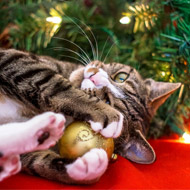
Many cats suffered toxic ingestion last Christmas.
More than 80 per cent of vets saw at least one case of toxic ingestion in pets during the 2016 festive period, according to new figures. The findings have prompted the BVA to issue a warning to pet owners to watch out for potential hazards to their pets this Christmas.
According to BVA’s Voice of the Veterinary Profession survey, chocolate poisoning remains the most prevalent cause of toxic ingestion at Christmas for dogs. A staggering 74 per cent of vets reported that they saw at least one case during last year’s celebrations.
Furthermore, the figures show that there has also been a spike in raisin or sultana poisoning over the last two years. Of the 473 vets that completed the survey, 54 per cent reported treating a case.
“Many pet owners are aware of the risks of chocolate or other festive foods being toxic for their pets but, as our survey shows, it’s easy to be caught out by a kind gift left under the tree or a treat left out on the table, which curious animals can find hard to resist,” said BVA president John Fishwick.
“Our advice is for givers to tell, and owners to ask, if there is anything edible in gifts and to keep such presents safely out of reach of your pet. If you suspect your pet may have eaten something they shouldn’t, then don’t delay in contacting your local vet.”
The first of this year's Voice of the Veterinary Profession surveys was carried out in February. It asked companion animal vets if they saw any cases of toxic ingestion in companion animals over the festive period 2016.
The survey shows that many cats suffered toxic ingestion last Christmas, with a quarter of vets treating cats for antifreeze poisoning. Gift wrap, festive decorations and seasonal plants were other common reasons for pets finding themselves at the vets.


 Eligible members of BEVA will be able to vote for their Council team until Monday, 17 August 2026. Members will have received an election email on 17 July.



