


Open letter urges companies to stop using brachys
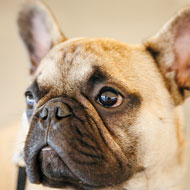
Whilst the public often view brachycephalic breeds as cute or comical, the veterinary profession has long been concerned about the substantial proportion that suffer health issues.
UK advertisers and companies are being urged to stop using brachycephalic dog breeds to endorse and sell products, as their prominence is currently fuelling a ‘health and welfare crisis’.
The Brachycephalic Working Group has penned an open letter asking companies not to use breeds such as pugs, French bulldogs and English bulldogs. The popularity of these breeds has soared in recent years, which experts believe is driven by their increased prevalence in advertising.
Signatories of the letter include the BSAVA, BVA, breed clubs, Dogs Trust, Kennel Club, PDSA, RVC, RSPCA and the University of Cambridge.
Whilst the public often view brachycephalic breeds as cute or comical, the veterinary profession has long been concerned about the substantial proportion that suffer health issues - including breathing difficulties, recurring skin infections, eye disease, spinal disease and inability to give birth naturally or regulate body temperature.
Sudden surges in popularity of particular breeds can also prompt backstreet breeders to churn out large numbers of puppies for profit, with little regard for their health and welfare, knowing they will be easy to sell.
“These breeds can suffer from some horrible long-term health conditions,” said Dr Dan O’Neill, senior lecturer at the Royal Veterinary College and chairman of the Brachycephalic Working Party. “Reducing and ultimately eliminating these health problems is a goal shared by all those who care about the health and welfare of dogs, but we are currently fighting a losing battle while these dogs continue to be used needlessly in thoughtless advertising.
“We are heading towards a welfare crisis for these breeds so it is time for companies to prioritise dog welfare over profit and commit to avoiding the use of flat faced dog breeds in advertising. Not only will this make a real difference to the health and welfare of these dogs but it will help to protect the companies from brand damage and make it clear that they take their corporate social responsibility seriously.”
According to Kennel Club figures, French bulldog registrations have soared by a staggering 3,104 per cent, pugs by 193 per cent and bulldogs 96 per cent, over the past decade. However, the true figure is likely to be far higher due to undocumented and unregistered dogs, as well as those that have been illegally imported from Eastern Europe.


 Eligible members of BEVA will be able to vote for their Council team until Monday, 17 August 2026. Members will have received an election email on 17 July.



