


Oxytocin key to human-canine interaction, study suggests
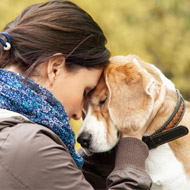
Oxytocin appears to help dogs form a strong bond with their owners.
Scientists have found that oxytocin makes dogs interested in smiling human faces. The finding suggests that the hormone could play a key role in the interaction between dogs and humans.
“It seems that the hormone oxytocin influences what the dog sees and how it experiences the thing it sees,” said doctoral student Sanni Somppi from the University of Helsinki.
In the study, researchers showed 43 dogs images of smiling and angry faces on a computer screen.They tested each dog twice - once whilst the dog was under the influence of oxytocin and once whilst they were not.
Researchers used an eye-tracking device to measure the dogs’ gaze on the images and pupil size. Studies show that emotions and attentiveness guide the gaze and regulate pupil size, making eye tracking a window to the dogs’ minds.
Besides making the dogs more attracted the smiling faces, oxytocin also appeared to influence thier emotional states. This was evident by the size of their pupils.
Without oxytocin, the dogs’ pupils were biggest when they looked at pictures of angry faces. This indicated that the angry faces prompted the most powerful, emotional reaction in the dogs.
Under the influence of oxytocin, however, images of smiling faces enhanced the dogs' emotional states more than angry faces. This suggests that oxytocin probably made the angry faces appear less threatening and the smiling faces more appealing.
“Both effects promote dog-human communication and the development of affectionate relations,” says Professor Outi Vainio, who heads the University of Helsinki's Canine Mind Project.
The study, Nasal Oxytocin Treatment Biases Dogs’ Visual Attention and Emotional Response toward Positive Human Facial Expressions, is published in Frontiers in Psychology.


 Eligible members of BEVA will be able to vote for their Council team until Monday, 17 August 2026. Members will have received an election email on 17 July.



