


Small changes on farms can lower stress in cattle, study finds
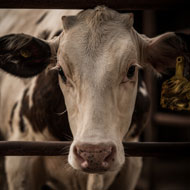
The study found that keeping calm and not using dogs can vastly improve the animals' experience.
Small changes to the way cattle are handled on farms can improve behaviour and reduce stress, according to new research.
The study, published in the journal Tropical Animal Health, found that removing colour, puddles and shadows, keeping calm and not using dogs can vastly improve the animal’s experience.
The study was led by Maria Lúcia Pereira Lima of the Institute of Sao Paulo, Brazil.
Lima explains that, in Brazil, inadequate livestock handling facilities (corral facilities) are a major cause of stress in beef cattle. She also notes that farmers often do not know how to handle cattle correctly.
In the study, Lima assessed the effect of minor changes in the adoption of good handling practices at two typical livestock farms. The study focussed on 141 Nellore cows - a breed that is generally more reactive than other breeds.
Lima and her colleagues studied the behaviour of the cows before and after the changes were implemented. Blood samples were taken to measure the levels of cortisol in the cows’ blood and to see how stressed they were throughout handling.
The changes included obstructing the cows' vision when the handler walked into the animals flight zone and the elimination of bright objects, colour contrasts, puddles, shadows and darkness. The handlers were instructed to remove dogs and electric prods and were advised to maintain a calm demeanour.
The blood samples taken show that the cortisol release was lower and better for the improved methods (60.4 ng/mL to 41.03 ng/mL), resulting in calmer cows compared to cortisol released before the minor changes, the authors conclude.
‘Minor changes made in the corrals and the adoption of good handling practices were effective in improving cow behaviour in the chute and in reducing exit velocity, cortisol released, and the time spent taking blood samples,’ Lima concludes.


 Companies marketing medicines for small pets exempt from authorisation must submit their annual return to the Veterinary Medicines Directorate (VMD) by 30 November 2026.



