


Storm Ophelia brings influx of hawfinches
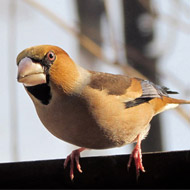
Hawfinches are typically shy birds and rarely seen in the United Kingdom.
The RSPB has reported an influx of sightings of hawfinches, leading to much excitement among birdwatchers and RSBP staff alike.
According to a press release, there have been hundreds of sightings recorded throughout 2017. In birdwatching terms, this is known as “irruption”.
The figure has come as quite a surprise to the charity, as hawfinches are typically shy birds. At present, there are thought to be no more than 1000 pairs in the United Kingdom.
“In our county alone over 230 hawfinches have been counted. That’s extraordinary, as in most years we are lucky to see one or two,” explained Lizzie Bruce, RSBP warden at The Lodge nature reserve in Bedfordshire.
“At The Lodge, we’ve had up to four hawfinches in the tops of the birch and yew trees with single birds flying over most days in October. This has caused great excitement for our visitors and RSPB staff, who have been dropping everything and running out the office to catch a glimpse of one perched at the top of a tree.’’
Ms Bruce believes the influx might be linked to failing food supply. For example, too many birds, or not enough food for them to survive the winter. She also thinks the recent storms might be a contributing factor.
“Hawfinches traditionally migrate south from their breeding grounds in Central Europe towards the Mediterranean,” she explained. “This year their migration coincided with the arrival of Storm Ophelia which headed eastwards from the Atlantic swirling anti-clockwise, with the strong winds pushing many of the migrating hawfinches into the UK.
“This theory probably explains why the majority of hawfinches were seen in the South of England and into Wales.”
RSPB scientists are looking into why hawfinches don’t nest in the UK as much as they used to. Their current study - a joint project with Cardiff University - is assessing whether the availability of food could be a problem.


 Companies marketing medicines for small pets exempt from authorisation must submit their annual return to the Veterinary Medicines Directorate (VMD) by 30 November 2026.



