


RSPCA warns of scam phone numbers
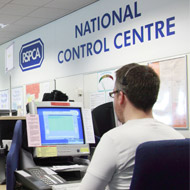
The RSPCA receives a call to its cruelty line every 27 seconds.
The RSPCA is warning people to make sure they have the correct number for reporting animal cruelty after it emerged that some websites are advertising fake numbers and scamming the public.
An investigation by the charity revealed eight unrelated sites with incorrect numbers in the first 10 pages of Google. The RSPCA says that when a member of the public dials one of these '0844' numbers, they will be charged a premium rate before being diverted to the RSPCA’s National Control Centre.
“The amount of sites out there advertising incorrect contact numbers for our charity is very worrying,” commented Dave Allen, head of education and advice at the RSPCA. “We are urging people to watch out for websites with fake numbers and information that doesn’t sound quite right.”
He added that the RSPCA has been trying to solve the issue by reporting the problem to Google so that the sites are not ranked high in searches. The charity has also submitted a complaint to communication’s regulator OFCOM.
“Not only can these numbers leave people with a hefty phone bill but it also means members of the public may be put off contacting us when an animal is in desperate need of care,” he said.
The RSPCA receives a call to its cruelty line every 27 seconds. However, it is not possible to record the volume of calls from these fake numbers as once the call is diverted to the RSPCA it goes through like any other call.
“Unfortunately, we have received complaints when a person believes they have contacted our national control centre directly but they have actually contacted us via an 0844 number and been left with a huge bill instead,” Dave Allen continued. “Calls direct to the RSPCA cost the same as a call to any UK landline number. However, these fake and premium rate numbers can charge as much as 7p a minute plus your phone provider's access charge.
“We rely on the public to contact us when an animal is in need and the last thing we want is for someone to be put off by an awful scam like this. Please ensure you have the correct number when searching by clicking on the RSPCA official website.”


 Companies marketing medicines for small pets exempt from authorisation must submit their annual return to the Veterinary Medicines Directorate (VMD) by 30 November 2026.



