


Orphaned elephants have less access to mature adults
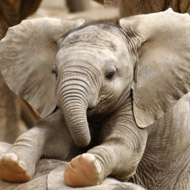
Orphans in the study primarily spent time with younger individuals.
A study of social behaviour in elephant orphans has revealed insights into the drivers of elephant sociality.
The study, led by Colorado State University, found that orphaned elephants have less access to mature, more experienced individuals than non-orphaned elephants.
It found that non-orphans associate more with young calves and their mothers, while orphans primarily spent time with younger individuals.
‘Previous work has documented altered association patterns among female elephants in response to mortality,’ the authors write. ‘While this previous work demonstrates their behavioral flexibility in times of disruption, our current study provides finer-scale detail on the social environments they experience.’
Published in Scientific Reports, the study sought to test the prediction that orphans shift the allocation of bonding to maternal relatives. It was carried out on an elephant population in Samburu, northern Kenya, following a drought and during an intense period of poaching.
The results show strong differences between orphan and non-orphan elephants, particularly during periods of rest. Researchers found that orphans spent more time with individuals similar to their own age, notably sisters and bulls. Non-orphans, on the other hand, tended to affiliate more with their mothers.
The authors say that the loss of the mother and apparent changes in their social interactions suggests that orphans lack direct access to mature female elephants.
'The behavioural flexibility and social processes of orphans are likely critical to population recovery in the face of the recent continental poaching crisis,’ the authors conclude. ‘Future work should investigate how decreased access to knowledge repositories of adult elephants and compensatory social behavior alter fitness trajectories for this keystone species’.


 Companies marketing medicines for small pets exempt from authorisation must submit their annual return to the Veterinary Medicines Directorate (VMD) by 30 November 2026.



