


Report finds ‘major issue’ with raptor persecution
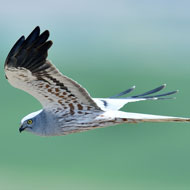
Victims include hen harriers, peregrine falcons, red kites and buzzards.
There were at least 81 confirmed cases of illegal raptor persecution last year, but not a single person was prosecuted, according to the RSPB’s latest Birdcrime report.
However, the RSPB says these cases are just the tip of the iceberg, with many illegal killings going unreported or undetected. The organisation is urging the police and enforcing authorities to make full use of their powers to protect birds of prey, as well as introducing a licensing system to ensure grouse shoots are operating legally and sustainably.
Birdcrime is the only report that summarises offences against the UK’s birds of prey. It reveals there were 40 shootings, 22 poisonings, 15 trappings and four other incidents of illegal persecution against raptors in 2016. Victims include hen harriers, peregrine falcons, red kites and buzzards.
Close to two-thirds of the confirmed cases took place in England, with particular concerns about raptors in North Yorkshire. Over the past five years the county has recorded 54 persecution cases - the highest number in the UK. Incidents were also recorded in Wales, Northern Ireland and Scotland, where there is growing concern about suspicious disappearances of tagged birds.
Despite this, for the first time in 30 years, there were no prosecutions arising from confirmed incidents.
“This latest Birdcrime report continues to highlight that in the UK we have a major issue with birds of prey being deliberately and illegally killed, despite having full legal protection,” Bob Elliot, RSPB’s head of investigations, said.
“This type of crime has serious consequences for the populations of species, such as the hen harrier, and we must see a change in attitude and more effective law enforcement to protect these birds for years to come.”
Previous research suggests illegal killings of birds of prey is associated with land managed for intensive driven grouse shooting. RSPB is calling for the introduction of a licensing system for grouse shooting, which would allow licences to be removed in response to the most serious offences, for example if staff on the estate have been convicted of killing birds of prey.


 Companies marketing medicines for small pets exempt from authorisation must submit their annual return to the Veterinary Medicines Directorate (VMD) by 30 November 2026.



